



The Health Benefits of Regular Swimming for People Over 60
Staying active becomes increasingly important as we get older, but finding an enjoyable form of exercise that doesn’t place too much strain on the body can be challenging. Swimming is an excellent option because it provides a full-body workout while being gentle on the joints.
Whether you enjoy swimming lengths, exercising in the water or simply moving around the pool at your own pace, regular activity in the water can support your physical health, confidence and emotional wellbeing.
A gentle, low-impact form of exercise
One of the greatest benefits of swimming is that the water supports much of your body weight. This reduces the pressure placed on the hips, knees, ankles and spine compared with higher-impact activities.
For people living with arthritis, stiffness or reduced mobility, exercising in water can make movements feel more comfortable.
This makes swimming particularly suitable for people over 60 who want to remain active but find running or other forms of exercise uncomfortable.
Supports a healthy heart
Swimming is an aerobic activity, which means it raises the heart rate and encourages the heart and lungs to work more efficiently.
Swimming regularly may help to improve circulation, stamina and general cardiovascular fitness. Regular physical activity can also help reduce the risk of conditions including coronary heart disease, stroke and type 2 diabetes.
You don’t need to swim quickly to benefit. A steady swim, water aerobics or even walking through the water can provide useful exercise. A simple guide is that moderate exercise should make you feel warmer and breathe a little faster, while still being able to hold a conversation.
Helps maintain strength
We naturally lose some muscle mass as we grow older, which can make everyday activities such as climbing stairs, carrying shopping or getting out of a chair more difficult.
Water provides resistance in every direction, meaning that your muscles have to work as you move through it. Swimming can help exercise the arms, shoulders, back, stomach and legs without the need to lift heavy weights.
Regular swimming can therefore contribute to maintaining the strength needed for day-to-day independence. However, because swimming is not a weight-bearing activity, it is still sensible to include suitable strength and balance exercises outside the pool where possible.
Improves flexibility and mobility
Swimming involves reaching, stretching and moving several joints through a comfortable range of motion. Over time, this may help maintain flexibility and reduce feelings of stiffness.
Different swimming strokes use the body in slightly different ways, but you don’t need to have perfect technique. Gentle leg movements while holding the side of the pool, walking in the water or performing simple water-based exercises can all help keep the body moving.
If a particular movement causes pain, stop and seek advice rather than trying to push through it.
Builds stamina for everyday life
Regular swimming can gradually improve endurance. As stamina increases, other daily activities may begin to feel easier, from walking into Cheltenham town centre to enjoying a day out with friends or family.
The key is to start at a manageable level. This might mean spending just ten or fifteen minutes in the pool initially, taking regular breaks and slowly increasing the time as fitness and confidence improve.
Consistency is more important than speed or distance.
Supports better sleep and emotional wellbeing
The benefits of swimming are not limited to physical fitness. Exercise can help improve mood, reduce stress and support better-quality sleep.
The rhythm of swimming can feel relaxing and meditative, while the opportunity to focus on breathing and movement provides a welcome break from everyday worries. Finishing a swim can also bring a rewarding sense of achievement.
Swimming with a friend or joining a water-based exercise session adds a social element too. Staying socially connected is an important part of enjoying a happy and fulfilling retirement.
How much exercise should people over 60 do?
The NHS physical activity guidance recommends that adults aged 65 and over should be physically active every day. Where health and fitness allow, the weekly aim is at least 150 minutes of moderate-intensity activity or 75 minutes of vigorous activity, together with exercises that improve strength, balance and flexibility on at least two days a week.
That target may sound daunting if you haven’t exercised recently, but activity can be divided into shorter sessions. Every swim and every period spent moving in the water contributes towards becoming more active.
Tips for returning to swimming
If it has been some time since your last swim, take things slowly.
Begin with short, comfortable sessions.
Allow time to warm up and cool down.
Drink water before and after swimming.
Use the pool steps or handrail carefully.
Choose movements and strokes that feel comfortable.
Avoid swimming alone if you are unsure of your confidence or fitness.
Stop if you feel dizzy, unusually breathless, unwell or experience chest pain.
Speak to your GP or another healthcare professional before beginning a new exercise routine if you haven’t exercised for some time or have a medical condition, recent injury or concerns about your health.
Enjoy swimming on your doorstep at Honeybourne Gate
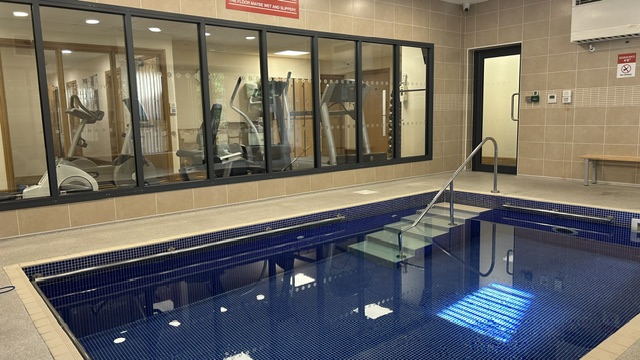
Honeybourne Gate’s inviting exercise pool gives apartment owners and residents the opportunity to enjoy regular water-based activity without travelling to a public leisure centre. Having the pool within the development makes it easier to fit gentle exercise into everyday life, whether that means a morning swim, a few quiet lengths or some simple movements in the water.
The swimming pool is just one of the excellent shared facilities available at Honeybourne Gate, alongside the gym, restaurant, cinema room, lounge, reading room and roof garden. Together, they support an active, sociable and independent retirement in the heart of Cheltenham.
To discover more about life at Honeybourne Gate and the apartments currently available, call 0800 471 4793 or arrange a visit to see the development and its facilities for yourself.